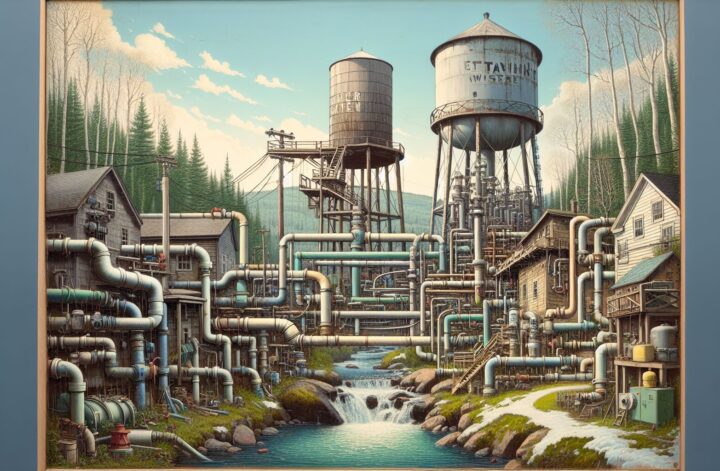
In thinking about the country’s infrastructure for water distribution and wastewater removal, urban systems often come to mind. However, rural locations, like North Dakota, face unique challenges and triumphs in their handling of water and wastewater treatment.
North Dakota, with its mix of picturesque countryside and subtle transformative urbanism, serves as a backdrop to the state’s ever-evolving water and wastewater handling systems. North Dakota’s water and wastewater systems demonstrate how rural areas can adapt to meet the necessity of clean water and responsible waste disposal.
The Current State of North Dakota’s Water and Wastewater Infrastructure
North Dakota’s water and wastewater infrastructure is an intricate system that services the state’s small-town communities and large rural landscapes. The state government supports 320 public water systems, 25% of which serve towns of fewer than 500 people. These systems use both surface and groundwater sources and utilize sophisticated treatment processes to ensure the water’s safety (source: North Dakota Department of Health).
On the wastewater front, North Dakota supports many small-scale wastewater treatment facilities. These plants handle both domestic and industrial waste, ensuring that all wastewater is appropriately treated before it re-enters the environment (source: North Dakota Department of Environmental Quality).
The Challenges
Rural locations face unique challenges in managing their water and wastewater systems due to their geographical location, vast expanses, and small populations.
In North Dakota, the rugged, frozen terrain poses a substantial challenge for digging wells and laying pipes, especially during the long frozen winters. The spread-out nature of rural communities makes it difficult to deliver services cost-effectively due to the low density of users per area. The issue is exacerbated by the fact that the average age of water and wastewater infrastructure across the US, including North Dakota, is 50 years old (source: American Water Works Association).
The Triumphs and Innovations
Despite the challenges, North Dakota has seen great success in developing sustainable water and wastewater systems. Several communities in the state have adopted decentralized wastewater systems, which treat waste at or near its source. These systems not only save resources but also foster resilience in the face of potential breakdowns or issues with centralized systems.
North Dakota has also made significant strides in improving the quality and safety of its drinking water. Through the ongoing replacement of aging infrastructure, the application of newer, more efficient technologies, and the provision of rigorous training for water system operators, the state continues to ensure the health and welfare of its residents.
Rural areas like North Dakota demonstrate the holistic approach required to operate and maintain safe and resilient water and wastewater systems successfully. Their experience serves as a blueprint for other such regions facing similar difficulties and ensuring the longevity and reliability of their water and wastewater infrastructure.