Louisiana, nestled in the Southern region of the United States, holds a charm like no other state. It captivates visitors with its diverse landscapes, exotic wildlife, and rich cultural heritage. While famous as the birthplace of jazz and the stage for the annual Mardi Gras festival, the state has much more to offer. This article uncovers the less-known treasures of Louisiana that make it a real paradise waiting to be explored.
Outdoor Adventures
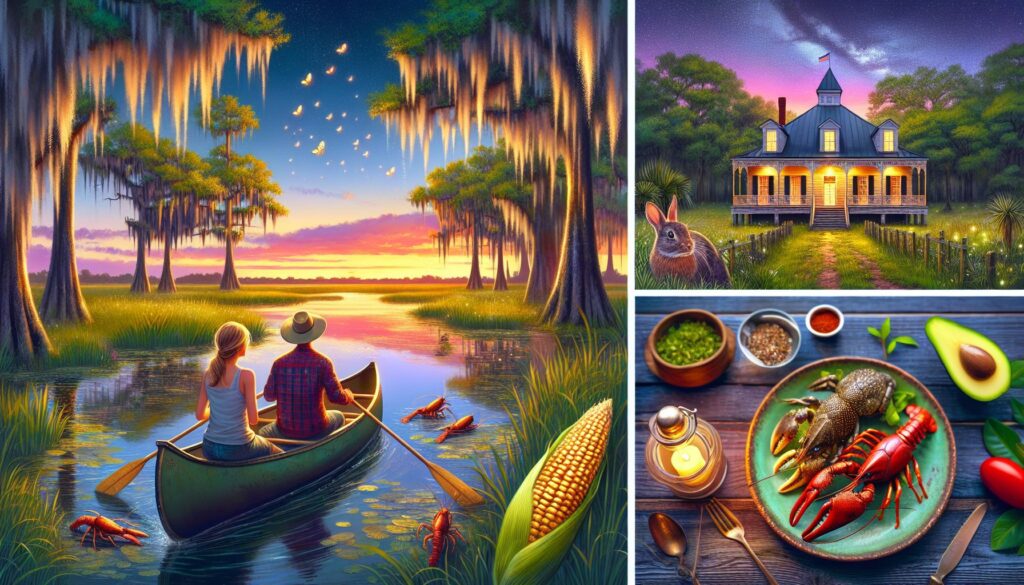
Louisiana is blessed with an abundance of natural beauty. For outdoor enthusiasts, the state offers myriad exploration possibilities (1). The Bayou, a mainstay in Louisiana’s geography, offers a unique ecosystem. With its sluggish waterways coiling through hardwood forests and cypress swamps, adventurers can kayak, boat or paddle to encounter various wildlife including alligators, herons, turtles, and over 300 species of birds. The Atchafalaya Basin, America’s largest river swamp which is bigger than the Florida Everglades, is an exceptional spot for swamp tours and camping.
Hiking trails abound across Louisiana’s State Parks. Kisatchie National Forest, the only National forest in the state, spreads over 600,000 acres and five parishes. It offers hiking, biking, and horseback riding trails with campgrounds scattered throughout the forest. Many of these trails offer breathtaking views of rolling hills, bluffs, lakes, and rare longleaf pine ecosystems (2).
Cultural Richness
Next to its natural riches, Louisiana’s cultural heritage is a treasure trove of diverse influences, reflecting Native American, French, Spanish, African and English ancestry. Creole and Cajun cultures are particularly vibrant in this state. They are best experienced through language, folklore, music and, most notable, food (3). Crawfish boils, Po’boys, gumbo, jambalaya, and etouffee are just a teaser for the culinary journey one may embark on here.
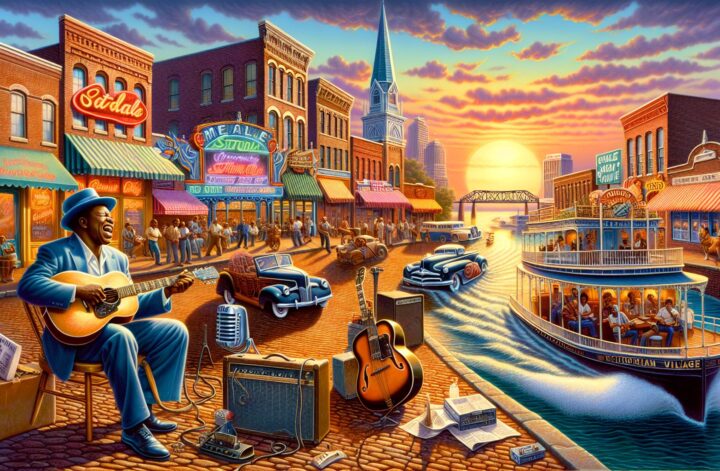
The state’s music heritage is equally impressive. The lively city of New Orleans, often referred to as the “Birthplace of Jazz”, hosts the famous Jazz and Heritage Festival, attracting big names in music from around the world. However, Louisiana’s rich music scene also spans Blues, Zydeco, Gospel, and Hip Hop with numerous clubs, bars, and music festivals allowing visitors to soak up the state’s unique musical landscape.
Historical Landmarks
Louisiana is also notable for its rich history, preserved in its architecture and landmarks. The well-preserved plantation homes scattered across the state are a testament to this past. One of the most iconic would be the Oak Alley Plantation, surrounded by its imposing 300-year-old oak trees. Besides offering stunning visuals, these plantations provide insight into deep, and sometimes tragic historical narratives.
The French Quarter in New Orleans, filled with Creole townhouses with cast-iron balconies and quiet courtyards, tells a story of colonial times and stands as a preserved architectural gem in the heart of the city.
Life in the Cities
While exploring the state, one mustn’t overlook the cities. Baton Rouge, the state’s capital, is renowned for its political history, thriving arts scene, and vibrant food culture. Lafayette, the heart of Cajun and Creole Country, is the go-to place for anyone interested learning more about these fascinating cultures.
A city that needs no introduction, New Orleans, with its lively nightlife, music scene, and legendary cuisine, is the cultural core of Louisiana. The city’s many festivals, most notably Mardi Gras, is a must-experience event full of vibrant parades, live music, and street dancing that draws visitors from all over the globe.
Beyond what’s expected, there are so many exceptional, yet underexplored parts of this southern charm. Louisiana offers a variety of experiences for anyone willing to go beyond the surface and delve into its abundant treasure trove. Its rich tapestry of culture, history and the great outdoors are a testament to the state’s uncrowned glory.
Sources: